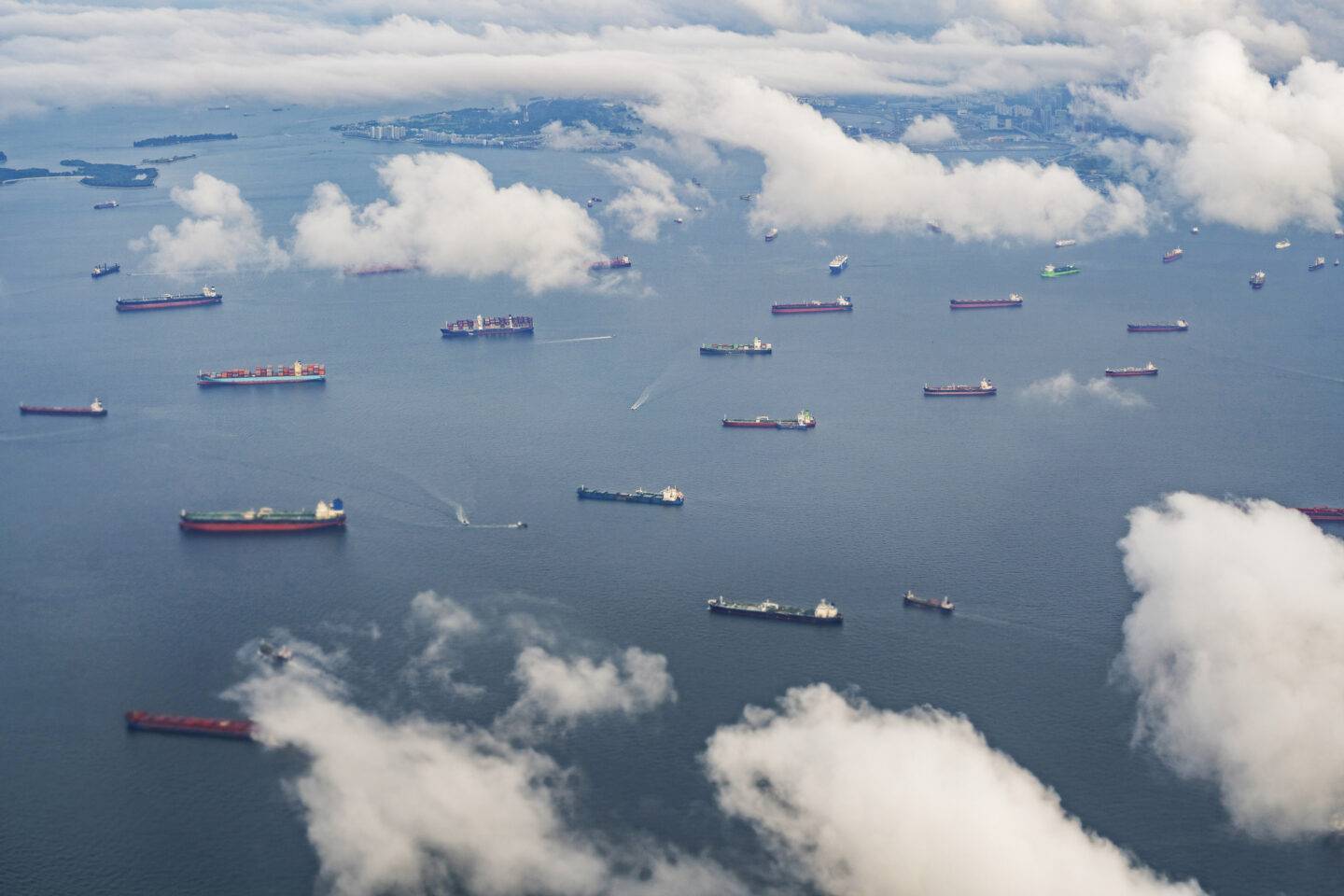
Overview

Modern seagoing commercial vessels come in all shapes and sizes and are designed to carry a wide variety of cargoes. This article provides a brief overview of the main types of vessels that sail the world’s seas and gives some history on how each has evolved.

For the purposes of this article, cargoes are divided into dry, liquid and specialised, with each of these divided further into subcategories. Dry cargoes include bulk, general and breakbulk, containers, reefer and Ro-Ros. Liquid cargoes are usually oil-based but may also include chemicals and liquefied gasses. Specialised cargoes include passengers, livestock and heavy-lift/project.

Dry cargo ships

Historically, dry cargo vessels were the the most common vessels in the world’s merchant fleet. Known as general cargo vessels, they would be equipped with their own cargo loading equipment, usually in the form of a derrick lifting device. Cargo would be stowed in different holds and the speed and effectiveness of the loading/unloading process would depend on the the ship’s crew and the port workers or “Stevedores”. Such ships sometimes operated a regular service as liners between two or more ports, but could also operate in the “tramp trade” where vessels would go wherever they were required.

Bulk carriers

For dry cargoes with a high weight to cost ratio such as coal, grain and ore, economies of scale produced the modern bulk carrier. These vessels are divided into several separate holds covered by hatches. In port, cargo is loaded by conveyor and spouts, or by crane and grab. Some bulk carriers are geared (usually a crane is located between each hatch) to allow the loading and unloading of cargo at berths without the need for shore equipment.

For unloading, cranes with grabs are the norm, although specialised equipment may be used for certain cargoes. When vessels unload using cranes and grabs, personnel and vehicles are often placed inside the holds to assist the process. Cargo is usually unloaded into hopper barges, then transferred by conveyor to silos or open storage. Smaller vessels can often discharge cargo directly into road vehicles.
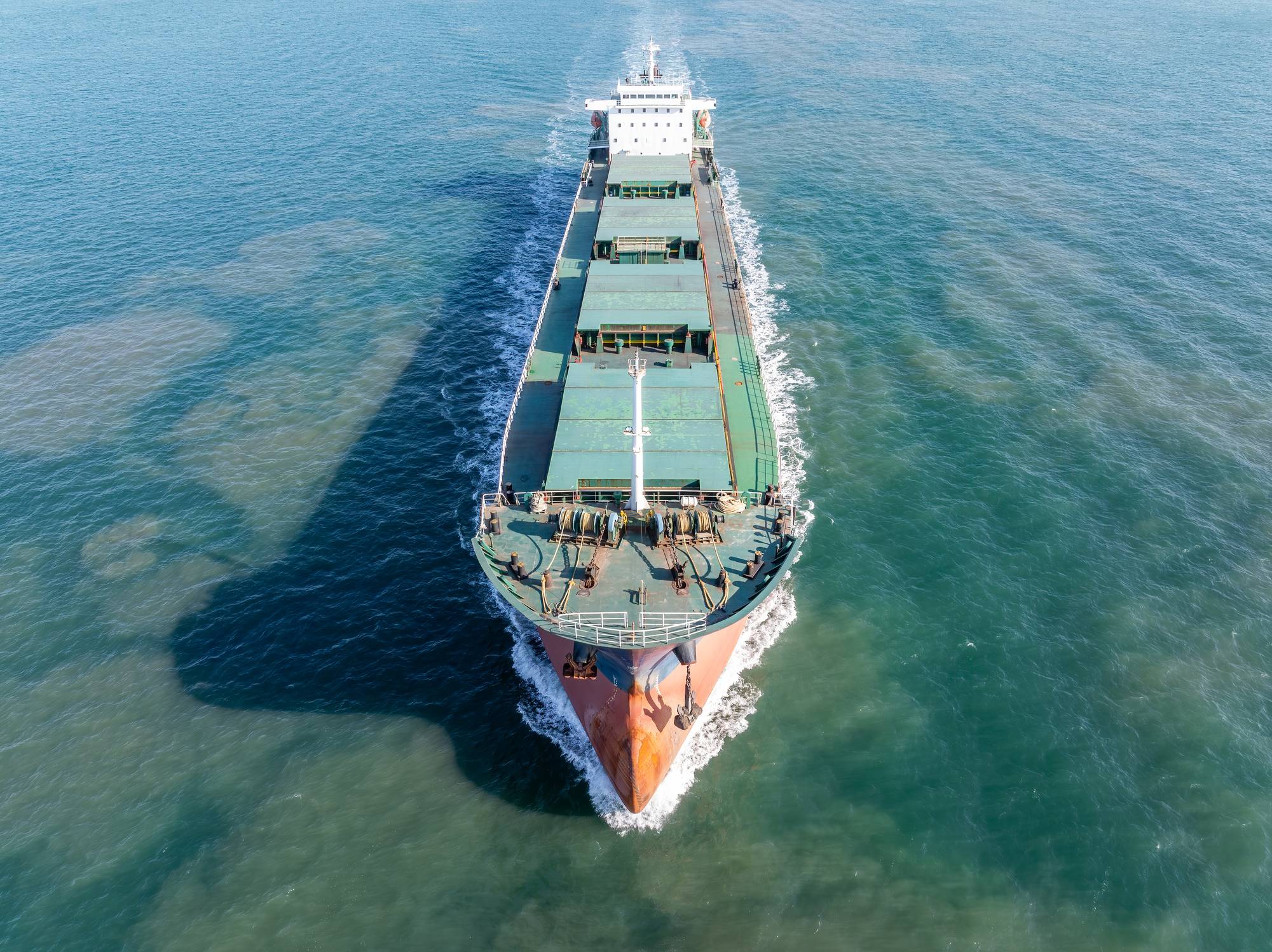
A bulk carrier is a type of cargo ship designed to transport dry, unpackaged goods, such as coal, grain, ore, and other bulk commodities, in large quantities without the need for specialized packaging or containers.

General cargo vessels

General cargo, known as breakbulk, is usually on pallets or in bags. There may be specialised handling facilities for such cargo, but usually loading and unloading is carried out using cranes and straps (for boxes) or slings (for bags). These vessels can also carry loose and irregular cargo, in which case the vessel’s crew and port stevedores pack the cargo to minimise damage and maximise space.

Although largely replaced by bulk and container carriers, general cargo vessels still operate throughout the world.

Container vessels
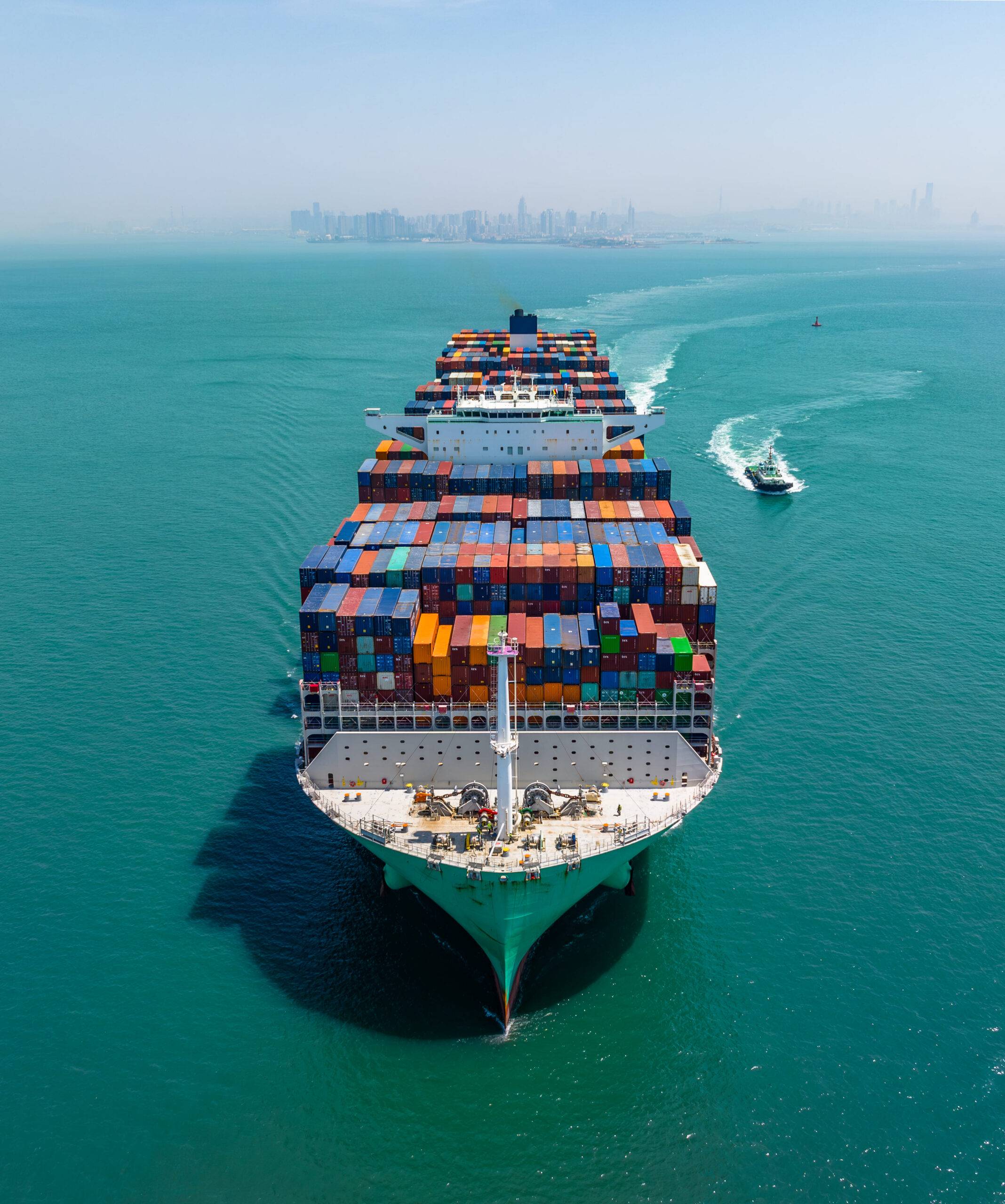
Container vessel on calm seas
Container vessels revolutionised global trade by standardising cargo packaging, enabling efficient intermodal transportation, and significantly reducing loading and unloading times in ports.

Containers have become the main way of transporting manufactured goods around the world. A container can be transferred between truck, train and ship relatively easily and is a standard size to simplify transportation. Containers can accommodate anything from foodstuffs to electrical equipment to automobiles. They are also used to transport bagged and palletised goods, as well as liquids and refrigerated cargo.

Standard containers are measured as TEUs (Twenty-foot Equivalent Units) and are generally 20 feet (1 TEU) or 40 feet (2 TEUs) long. All standard shipping containers are 8 feet wide and 8 feet 6 inches tall. There are also longer, taller and even shorter standard sizes, but these are less common.

Container ships are made up of several holds, each equipped with “cell guides” which allow the containers to slot into place. Once the first layers of containers have been loaded and the hatches closed, extra layers are loaded on top of the hatches. Each container is then lashed to the vessel but also to each other to provide integrity. Containers are usually loaded by specialised cranes or even general purpose cranes with container lifting attachments. Some small container vessels are geared to allow self-loading and discharging.

Container vessels are used predominantly on liner routes and are some of the biggest vessels afloat. Ultra Large Container Vessels (ULCVs) such as the Emma Maersk (lead ship of the Maersk E-Class vessels) are able to carry approximately 15,000 TEU (depending on container weight). Large container vessels are restricted by their size to certain ports around the world and are also unable to transit certain areas due to draft or, in the case of canals, beam restrictions.

Reefer vessels

Ships designed to carry refrigerated cargo and perishable goods such as fruit or meat are known as “Reefer Vessels”. Cargo is stowed in holds which are then sealed and temperature controlled. Traditional reefer vessels have been largely replaced by the use of reefer containers which are carried aboard container vessels. Reefer containers need a power source to function and often require inspection during the voyage.
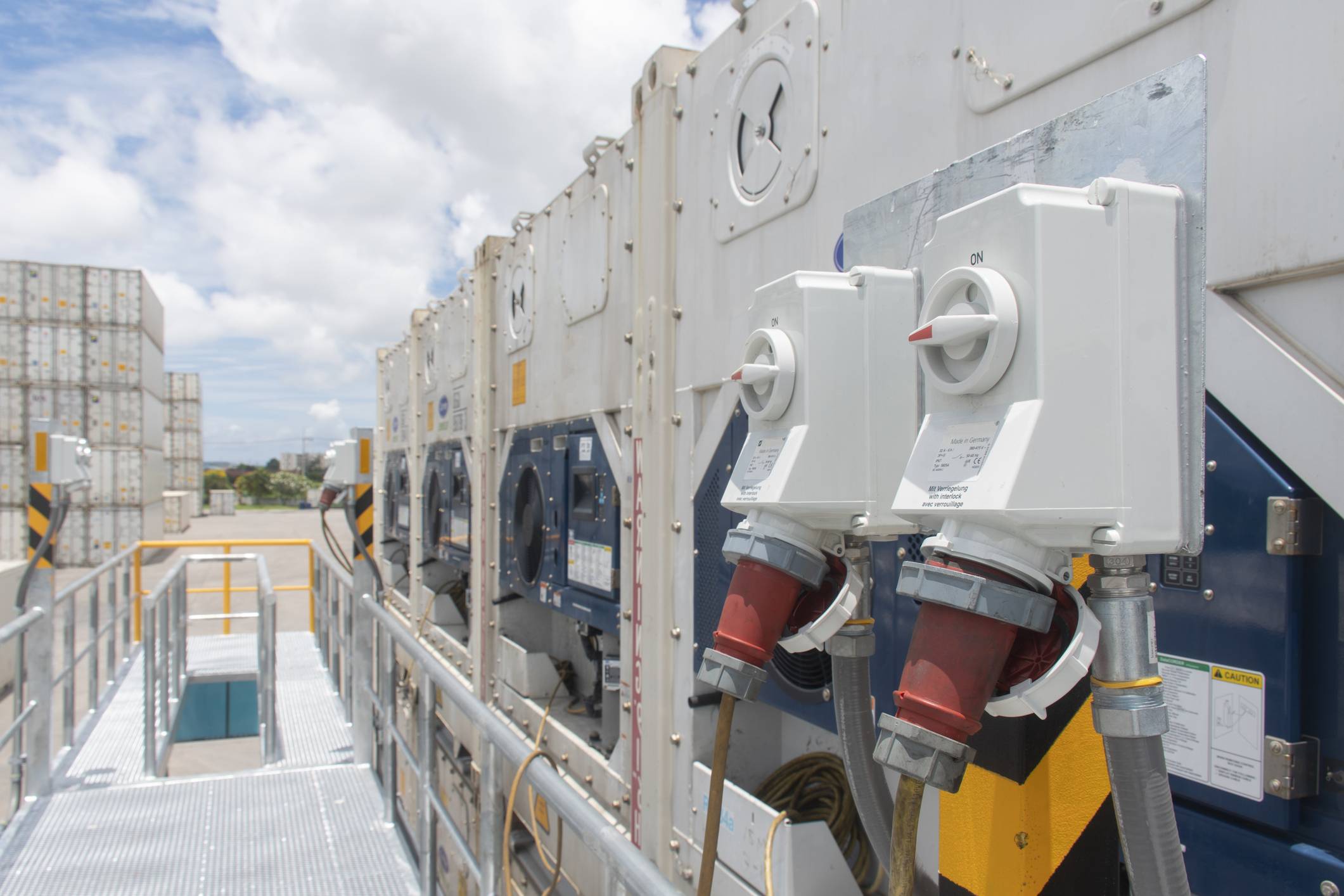
Traditional reefer ships, with built-in refrigerated cargo holds, are now rarely used as containerisation has largely replaced them. Today, most temperature-controlled cargo is carried in reefer containers, with modern container vessels equipped with dedicated power and storage systems to accommodate these units.

Ro-Ro vessels

Roll on-Roll off or Ro-Ro vessels come in many forms. They include vehicle ferries and cargo ships carrying truck trailers. The car carrier is the most commonly-used ro-ro vessels. These slab-sided vessels feature multiple vehicle decks comprising parking lanes, linked by internal ramps with access to shore provided by one or more loading ramp. Cargo capacity of such vessels is measured in Car Equivalent Units (CEU) and the largest car carriers afloat today have a capacity of over 6,000 CEU.
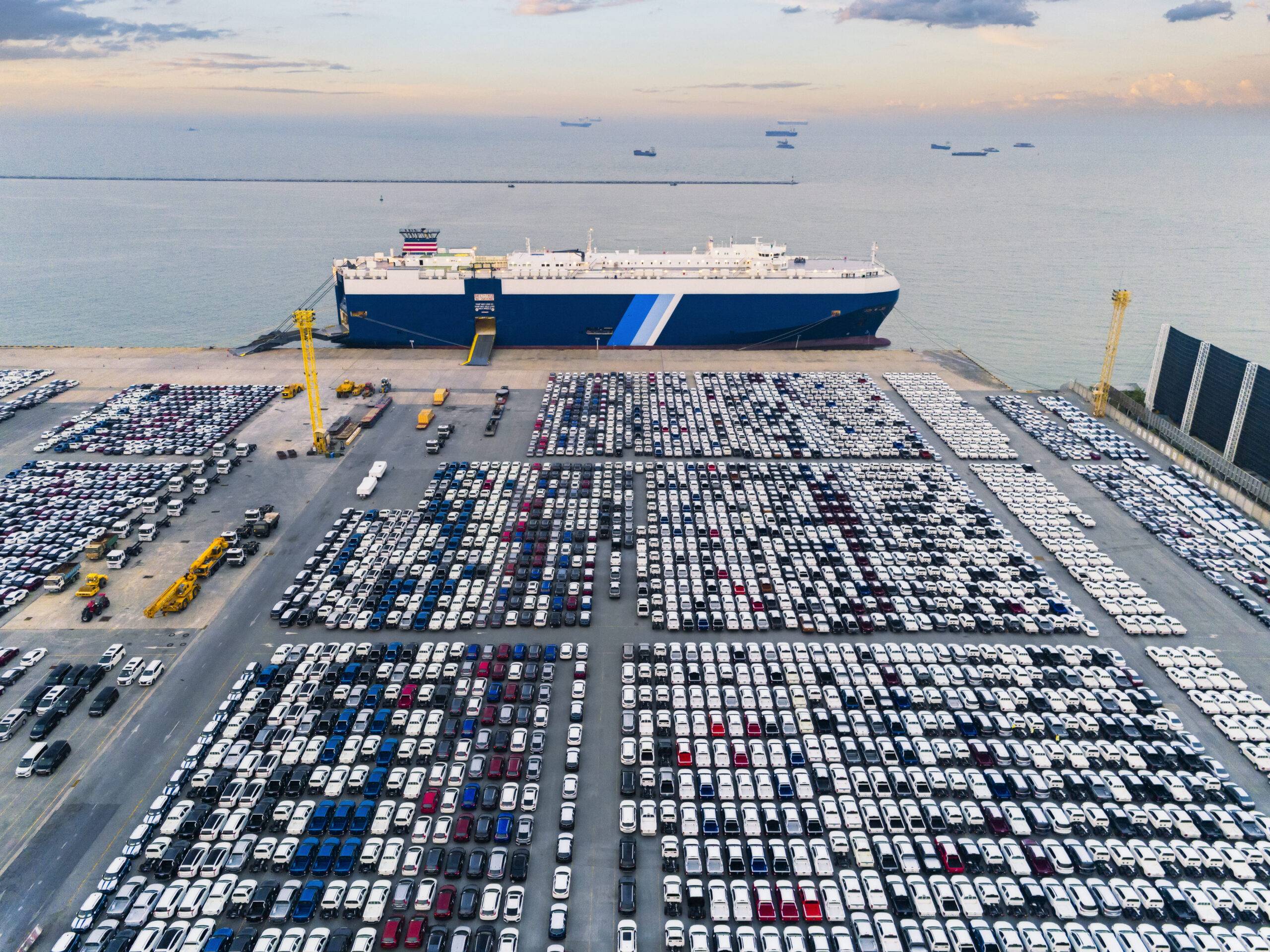
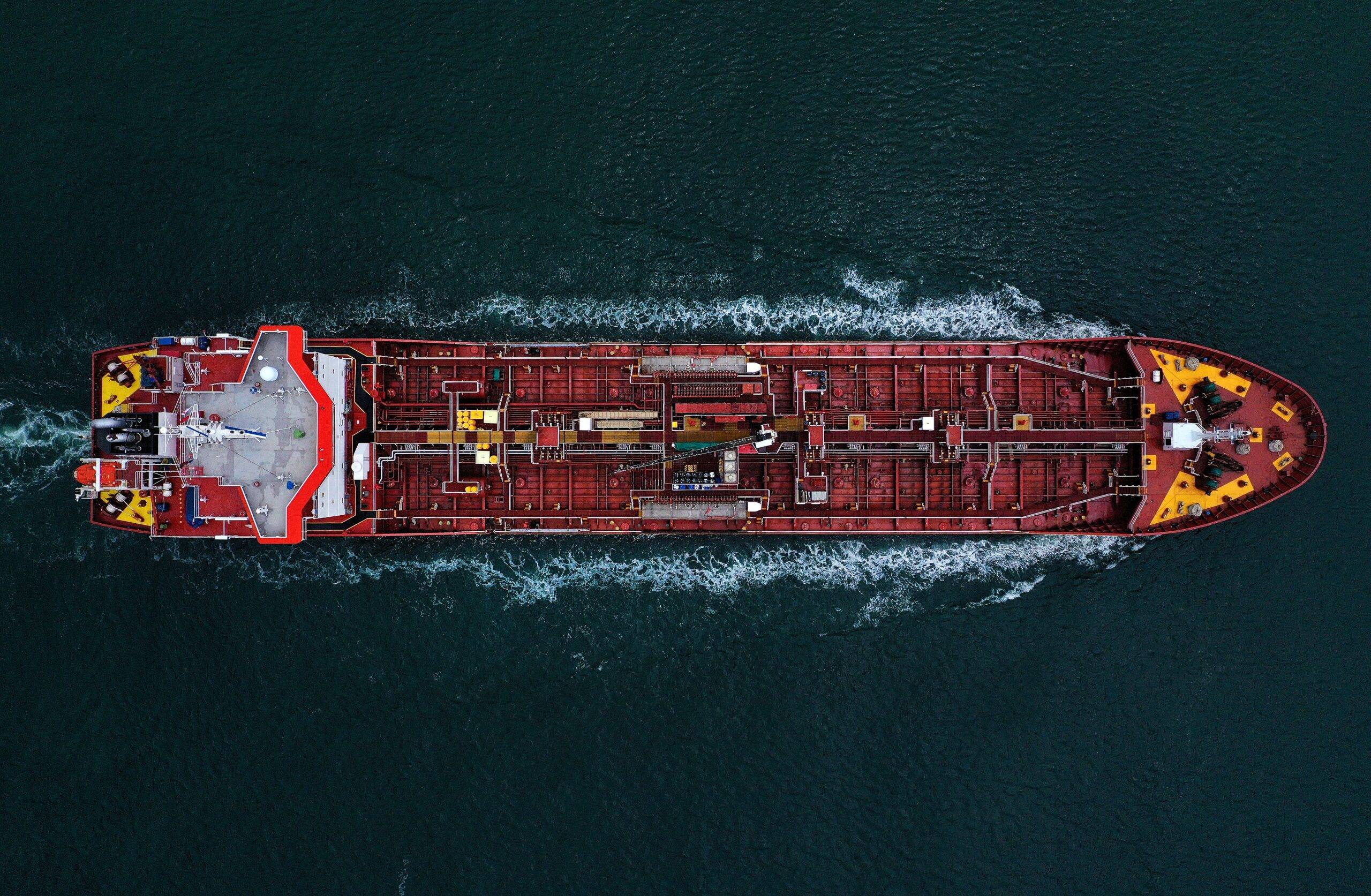
Image of a roll-on roll-off vessel in port with cars driving off the ship
Ro-Ro vessels, with their innovative ramp-based loading systems, have revolutionised cargo transportation, facilitating the efficient movement of vehicles, machinery, and other goods across the seas.

Liquid bulk carriers

Liquid bulk carriers transport cargoes carried in liquid or liquefied form, including crude oil, refined products, chemicals and liquefied gases. Developed in the nineteenth century with the introduction of iron hulls, these vessels enabled liquids to be carried safely and economically in bulk. Over time, economies of scale have increased vessel size significantly, with the largest crude carriers exceeding 400,000 tonnes deadweight.

Liquid bulk vessels are designed with specialised containment systems suited to their cargo type. Oil and chemical tankers use segregated cargo tanks and pipeline systems for pumping and discharge, while gas carriers employ pressurised or cryogenic containment to maintain liquefied gases. Modern designs incorporate double hulls or protective secondary containment systems.

Oil Tankers: Crude and Product carriers

Oil tankers are liquid bulk carriers designed to transport petroleum cargoes in bulk. They form a critical part of the global energy supply chain, moving both unrefined crude oil and refined products between producing regions, refineries and end markets. Built with segregated cargo tanks and complex pumping systems, modern oil tankers are equipped with double hulls and inert gas systems to enhance safety and minimise environmental risk.

Oil tankers are broadly divided into two main categories: crude carriers and product carriers. While both transport petroleum, they differ in cargo type, size, trade patterns and operational flexibility.

Crude carriers transport unrefined petroleum from oil-producing regions to refineries, often across long intercontinental routes. Major trade lanes connect the Middle East, West Africa and the Americas with refining hubs in Asia, Europe and North America. Because crude oil is shipped in very large volumes, these vessels are optimised for maximum capacity and fuel efficiency.

The largest crude carriers include Very Large Crude Carriers (VLCCs) and Ultra Large Crude Carriers (ULCCs), with deadweights exceeding 200,000 tonnes. Their scale reduces the cost per barrel transported but restricts access to many ports, requiring deepwater terminals or offshore loading systems. Double-hull construction, inert gas systems and advanced navigation technology are standard features to ensure safe operation.

Image of a chemical carrier leaving port
Very Large Crude Carriers (VLCCs) are some of the largest oil tankers in operation, designed to transport vast quantities of crude oil across major intercontinental trade routes efficiently.

Product carriers are generally smaller and transport refined petroleum products from major refineries to distribution hubs and regional ports. Unlike crude oil, refined products must be delivered closer to end users, requiring greater flexibility and access to a wider range of terminals.

These vessels carry petrol, diesel, jet fuel, fuel oil and lubricants, often in multiple segregated tanks to prevent contamination between grades. Product tankers are commonly classified by size — including Long Range (LR), Medium Range (MR) and smaller coastal tankers — with MR vessels among the most widely used globally. In addition to petroleum products, some product carriers can transport certain non-petroleum liquids such as vegetable oils or biofuels, depending on tank configuration and coating systems.

Chemical carriers

Chemical carriers are specialised tankers designed to transport a wide range of liquid chemicals in bulk, including acids, solvents, vegetable oils and refined petrochemical products. Unlike crude or product tankers, which often carry large volumes of a single cargo, chemical carriers are typically built with numerous segregated tanks, allowing them to transport multiple cargoes simultaneously without risk of contamination.

These vessels are constructed with specialised coatings, often stainless steel or advanced epoxy systems, to withstand corrosive or reactive cargoes. Each tank has its own dedicated pumping and piping systems to ensure strict segregation, as even small residues from previous cargoes can compromise the next shipment. This flexibility allows chemical carriers to operate efficiently in niche and high-value trades where cargo purity is essential.

Safety and environmental protection are central to chemical carrier design. They are built to comply with the International Bulk Chemical (IBC) Code, which sets stringent requirements for tank arrangement, cargo handling systems and protective measures. Modern chemical carriers incorporate advanced monitoring systems, double hull construction and sophisticated cargo temperature control, ensuring that potentially hazardous substances are transported safely and responsibly across global trade routes.

Gas carriers

Gas carriers are specialised liquid bulk vessels designed to transport liquefied gases such as natural gas and petroleum gases. Unlike oil or chemical tankers, gas carriers operate using pressurised or cryogenic containment systems to maintain cargo in liquid form. By reducing the volume of gas through liquefaction, these vessels make long-distance maritime transport commercially viable and play a central role in global energy and petrochemical supply chains.

Gas carriers are broadly divided into LNG carriers and LPG carriers, each designed to handle different cargo properties and operating conditions.

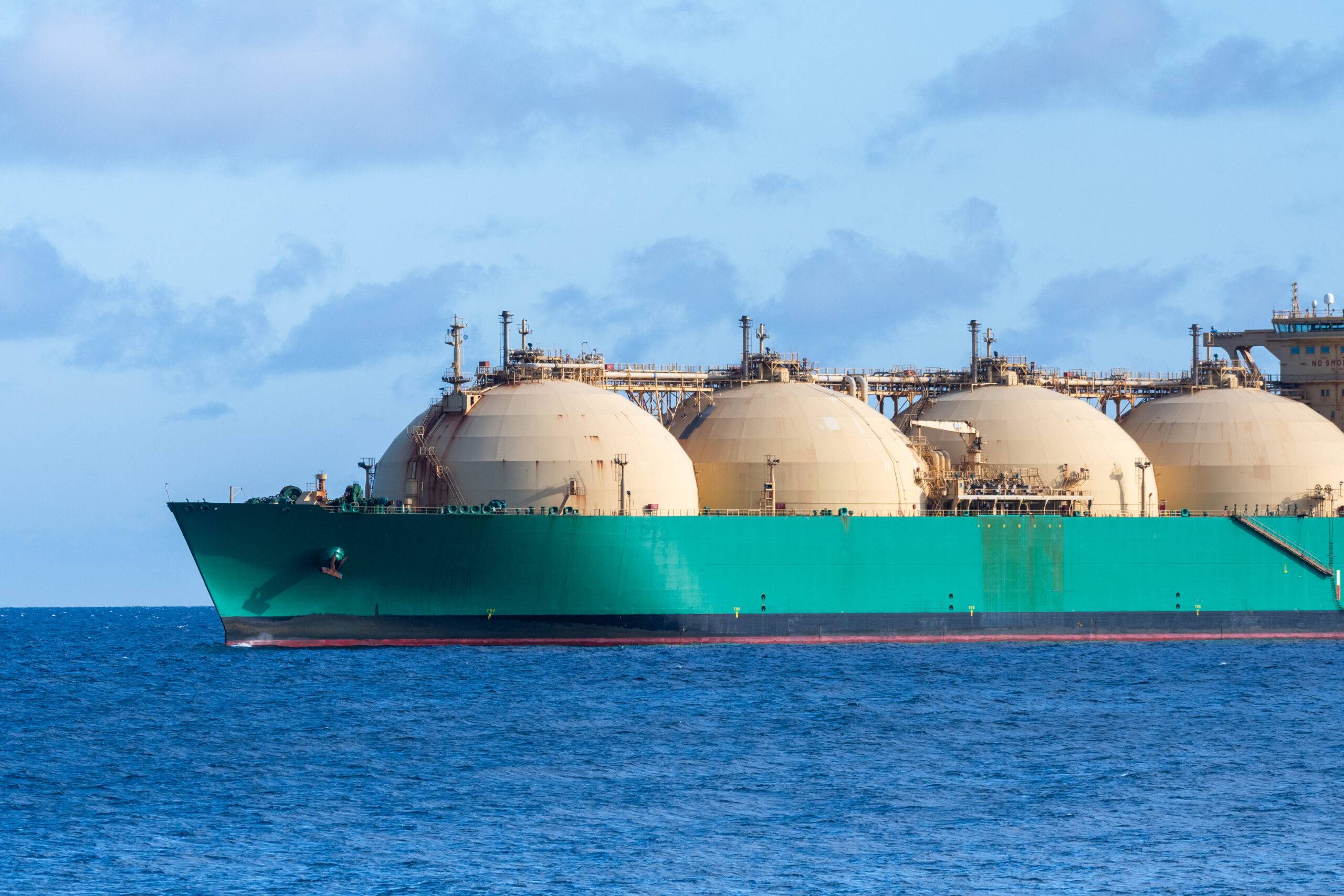
LNG carriers transport Liquefied Natural Gas cooled to approximately -162°C, at which point it becomes a cryogenic liquid. These vessels are equipped with highly insulated containment systems, typically membrane or spherical (Moss-type) tanks, designed to withstand extreme low temperatures and thermal stress. A small amount of natural evaporation, known as boil-off gas, is often used as fuel for propulsion, improving overall efficiency.

Due to the scale of LNG trades, LNG carriers are generally large ocean-going vessels operating between export terminals and major import facilities. Built to strict international standards under the International Gas Carrier (IGC) Code, they incorporate advanced safety, monitoring and emergency shutdown systems.

Image of a LNG carrier
LNG carriers are designed with advanced insulation to maintain cargo at ultra-low temperatures around -162°C (-260°F), allowing them to transport significantly more energy per volume compared to oil tankers of similar size.

LPG carriers transport Liquefied Petroleum Gas, including propane and butane, which require less extreme cooling than LNG. Depending on cargo and trade route, LPG vessels may be fully pressurised, semi-refrigerated or fully refrigerated. This flexibility allows them to operate across a wide range of regional and international trades.

Typically smaller than LNG carriers, LPG vessels serve both industrial and domestic markets, supplying fuel for heating, cooking and petrochemical production. Like LNG carriers, they are built with specialised containment systems and rigorous safety measures to manage the risks associated with transporting flammable liquefied gases.

Specialised cargo ships

These vessels are often purpose-built to specialise in the transport of extremely heavy or bulky objects such as other ships and large industrial components. For instance, these vessels are used to transport offshore platforms from their construction site to drilling sites. Some heavy-lift vessels are equipped with high capacity cranes to load at ports without a heavy-lift capability. Other types are semi submergible, allowing cargo to be floated into position before the heavy-lift vessel de-ballasts to lift the cargo out of the water.

Common project cargoes are wind turbine blades and towers, quay cranes and industrial machinery. Project cargo vessels are often adapted to suit their role. ‘Jack up’ vessels for example are able to put down ‘legs’ to lift themselves out of the water. This is commonly used by vessels installing offshore wind farms where stability is required while the turbine towers are put in place.

Specialised heavy lift vessels typically boast onboard cranes capable of lifting weights over 1,000 metric tonnes, essential for transporting oversized and exceptionally heavy cargo globally.

Tugs

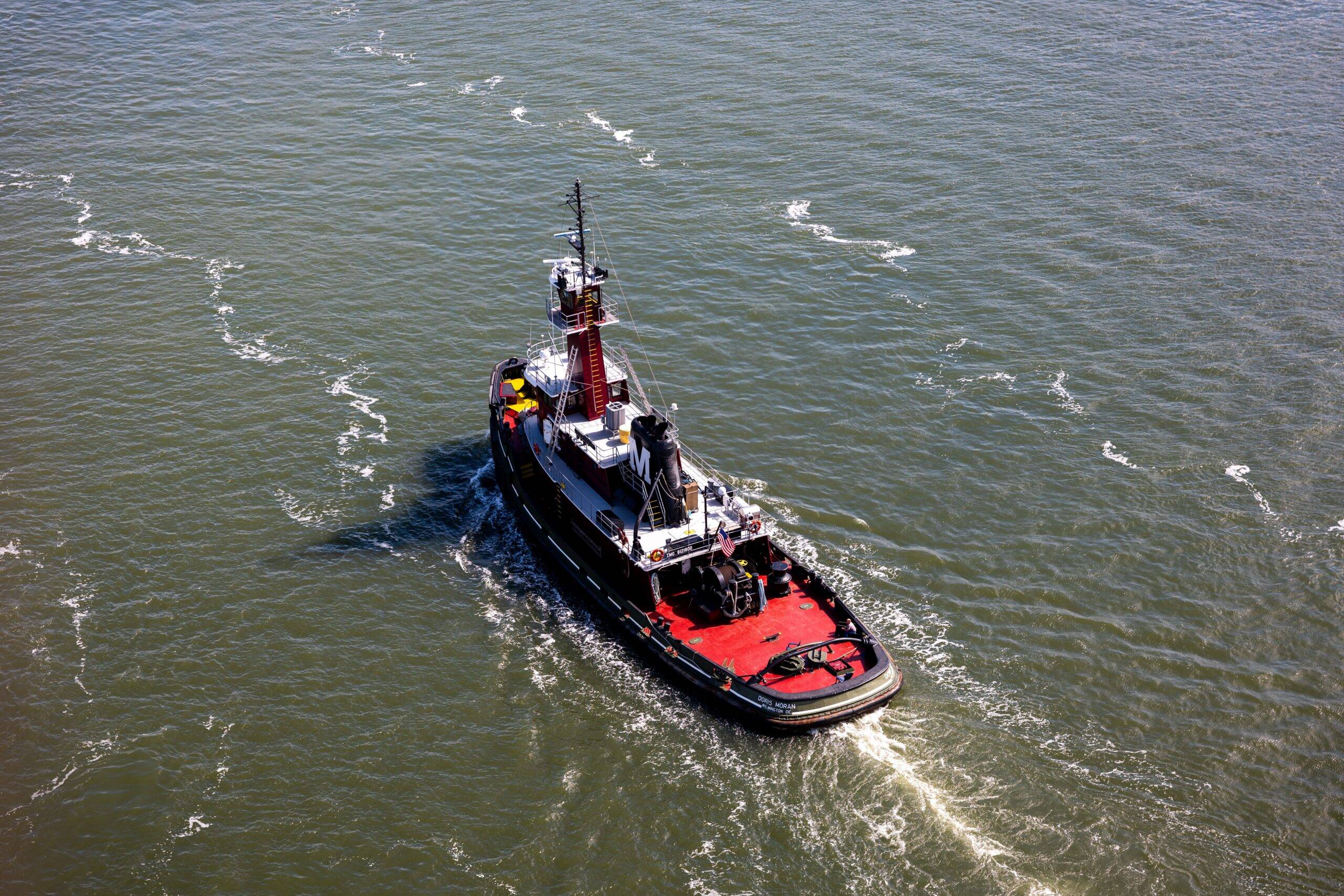
Tugboats, or tugs, are small but extremely powerful vessels designed primarily to assist larger ships in manoeuvring within confined waters such as ports, harbours and narrow channels. While they do not typically carry cargo themselves, they play a critical role in ensuring the safe and efficient movement of some of the largest vessels afloat. Their high engine power relative to size allows them to push or tow ships that are unable to manoeuvre independently at low speeds.

Modern harbour tugs are equipped with advanced propulsion systems such as azimuth thrusters or Voith Schneider propellers, which provide exceptional manoeuvrability. This enables them to operate safely alongside large container ships, tankers and bulk carriers, often in challenging weather or tidal conditions. Some tugs are also fitted with firefighting equipment, pollution response systems or escort capabilities for additional safety during tanker operations.

Beyond port operations, ocean-going tugs are used for long-distance towing of barges, floating structures and even disabled vessels. In offshore sectors, they assist with moving rigs and supporting marine construction projects. Although modest in size compared to the ships they assist, tugs are an indispensable part of the global maritime system, underpinning the safe movement of cargo across the world’s trade routes.

Tugboats, though small in size, deliver exceptional power and manoeuvrability, assisting large vessels safely in ports and confined waterways.

The global fleet at a glance

From traditional general cargo ships to ultra-large container vessels and highly specialised tankers, the world’s merchant fleet has evolved to move cargo more efficiently, safely and at greater scale than ever before. While technology and vessel design continue to advance, each ship type remains purpose-built to meet the specific demands of the cargo it carries and the global trade routes it serves.